Selected work

Knowledge systems we have shipped

These anonymised case studies describe past client engagements by CogniForge AI, a Vancouver applied-AI studio. Names and logos are withheld by agreement. Metrics are illustrative of historical project scope — not guarantees for your organization. Every build kept humans in the loop and acknowledged limits of generative AI and retrieval-augmented generation.

Canadian logistics scale-up · British Columbia

Operations handbook assistant

The problem: Dispatch supervisors searched twelve versions of routing PDFs and a Confluence wiki last updated by someone who left two years ago. New hires asked the same questions in Slack every Monday.

Our approach: A discovery sprint mapped authoritative sources, retired duplicates and designed a retrieval pipeline with metadata filters by region and vehicle class. We built a RAG assistant integrated into Slack that returns source-cited answers with page references. Prompt engineering and hallucination guardrails flag low-confidence retrievals instead of inventing routes.

What stayed human: Exception handling for weather disruptions and customer-specific contracts still routes to senior dispatchers. The assistant drafts; humans approve.

Past outcome: Onboarding time for junior coordinators reportedly shortened during pilot — adoption and document quality drove results, not magic.

Client build review session with retrieval metrics on display

National retailer · document intelligence

Vendor policy extraction pipeline

The problem: Procurement analysts spent hours opening scanned vendor agreements to find rebate clauses, termination windows and liability caps — work that did not scale with supplier volume.

Our approach: Document intelligence models extracted structured fields from varied layouts. A data pipeline normalized outputs into a searchable knowledge base with provenance links. NLP classifiers tagged clause types; computer vision handled table-heavy pages. API integration pushed exceptions into the team's existing review queue.

What stayed human: Legal reviewers approved ambiguous extractions. The system never auto-signed or auto-rejected contracts.

Past outcome: Review throughput improved during a controlled pilot. Accuracy varied by scan quality — evaluation harnesses tracked regression weekly.

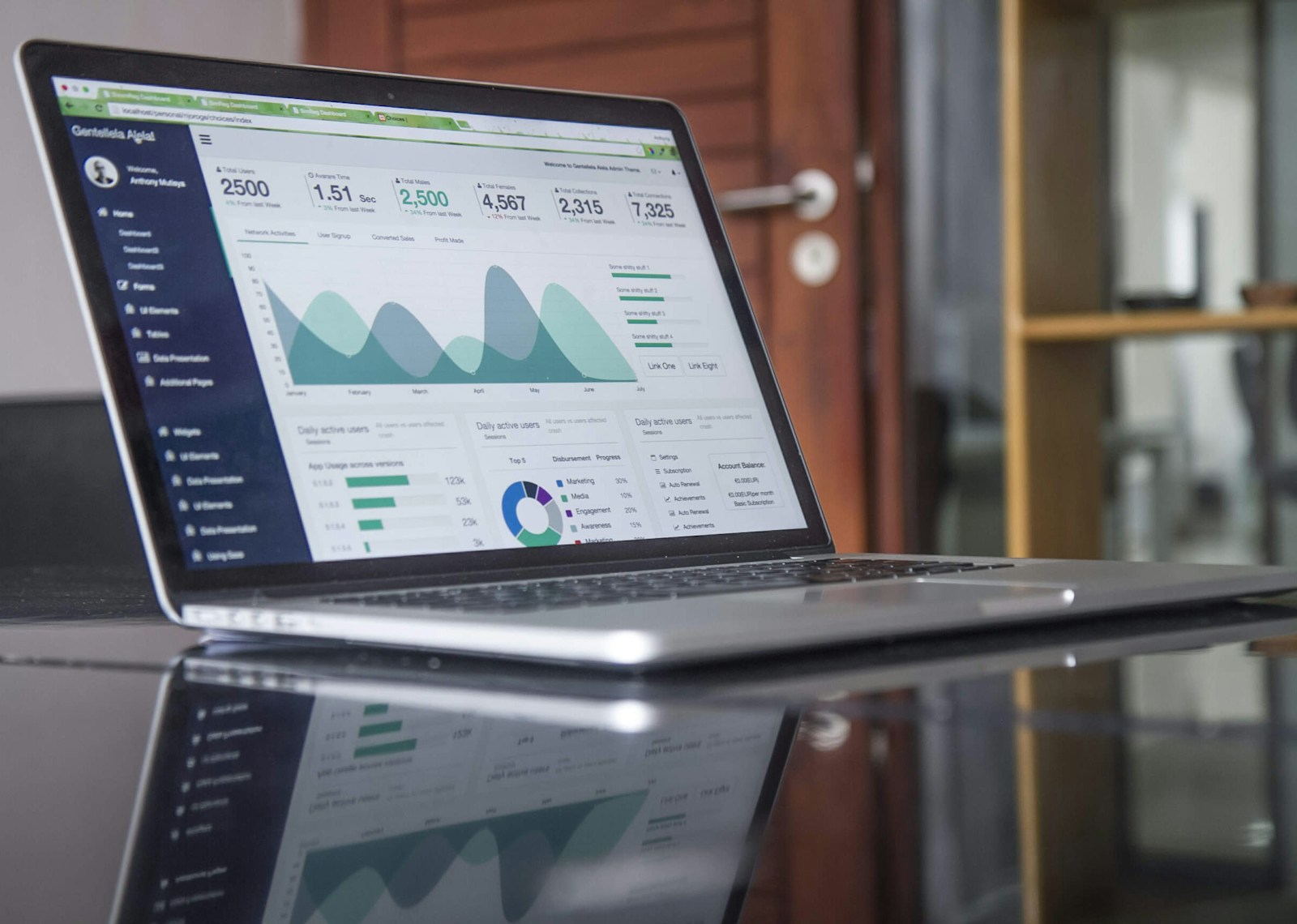
Evaluation dashboard tracking retrieval accuracy over time

Ontario healthcare provider · compliance knowledge

Clinical policy Q&A with guardrails

The problem: Clinic staff needed fast answers from infection-control and privacy policies, but generic chatbots hallucinated procedures that did not exist in approved documents.

Our approach: We built a retrieval-augmented generation assistant restricted to vetted policy corpora with role-based access. Model evaluation tested answers against a golden set of staff questions. Responsible-AI guardrails blocked clinical advice outside documented protocols and forced citation display on every response.

What stayed human: Patient-specific decisions remained with clinicians. The assistant supported lookup, not diagnosis.

Past outcome: Staff reported faster policy lookup during trial deployment. The provider maintains human oversight and periodic audits; we do not claim zero errors.

Professional services firm · agent workflow

Proposal research agent with checkpoints

The problem: Consultants rebuilt similar background sections for every proposal, pulling from past decks, methodology docs and CVs scattered across SharePoint.

Our approach: Agent orchestration retrieved relevant passages, drafted section outlines and logged sources. Workflow automation opened drafts in the firm's template system only after a consultant checkpoint. Fine-tuning was deferred until retrieval quality plateaued — a deliberate scope choice that saved budget.

What stayed human: Partners edited tone, pricing and client-specific positioning before anything left the studio.

Past outcome: Draft assembly time dropped in internal measurements during beta. Final quality still depended on partner review — as it should.

Pacific Northwest manufacturer · MLOps retainer

Post-launch care for a parts-catalogue assistant

The problem: A grounded assistant launched successfully, then drifted when suppliers renamed SKUs and uploaded new spec sheets without notifying anyone.

Our approach: A retainer engagement added MLOps monitoring, ingestion alerts for new documents and monthly evaluation runs against updated question sets. API integration pushed stale-source warnings to the client's documentation owners.

What stayed human: Engineering change approvals stayed with the client's product team. We maintained pipelines; they owned catalogue truth.

Past outcome: Retrieval accuracy recovered after ingestion fixes. Retainer support continues — production AI needs ongoing care.

Your documents deserve the same rigour

Describe the questions your team answers manually every week. We will propose a prototype loop with honest CAD scope.

Forge a prototype

These anonymised write-ups describe earlier CogniForge engagements only. Retrieval and agent tooling can miss context or cite stale passages — we document what stayed human-reviewed. Nothing here forecasts your results, savings or uptime.